
How to Download Instagram Videos Instantly Without Losing Quality
Ever stumbled on a hilarious reel or a heartfelt tutorial you just know you’ll need later, only to lose it when the feed refreshes? Download Instagram video lets you save that content straight to your phone or computer with just a few taps, even when the creator hasn’t enabled a native save button. Simply copy the video’s link and paste it into a free online saver tool, then choose your preferred quality and hit the download button. This gives you permanent offline access to watch, share, or edit the clip whenever you want, without buffering or hunting through your history again.
Why Would You Want to Save a Reel or Post for Offline Viewing?
Saving a reel or post for offline viewing means you’re no longer a hostage to Wi-Fi dead zones or mobile data caps. That recipe video you need for dinner stops buffering on the subway, and the workout tutorial keeps playing smoothly in a park with zero signal. When you download Instagram video content directly to your device, you turn a fleeting moment of inspiration into a permanent, reliable reference. The key insight is that offline copies also survive the original poster deleting them, or the algorithm burying them.
Your saved reel becomes a private archive, immune to the platform’s fickleness.
So instead of frantically scrolling for that one tip while your connection sputters, you just open your gallery and watch—no loading spinner, no ads, no interruption. It’s about owning the content you value, on your schedule, in your pocket.
The Real Reasons Grabbing a Copy Beats Just Screenshotting
Screenshots trap a static frame, losing the video’s motion, audio, and captions—critical context for a Reel’s message. Grabbing a full copy preserves the original file’s quality, including sound and transitions, so you can rewatch it exactly as posted, even if the creator deletes it. A screenshot also compresses resolution and clips the timestamp, making it useless for reposting or editing. With a downloaded video, you retain a clean, shareable asset that works offline, bypassing the app’s interface entirely. This matters most when you need the complete narrative, not a frozen moment. Full-file downloads ensure permanent, lossless access that screenshots can never match.

Why bother with a blurry frame when a full copy gives you the entire post, audio intact, forever?
How Saving Content Helps You Build a Personal Reference Library
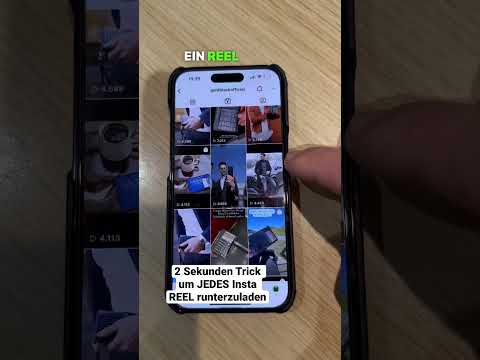
Saving content offline transforms scattered social media discoveries into a curated, personal reference library. By downloading videos directly, you bypass the fragility of algorithmic feeds and temporary posts, ensuring tutorials, recipes, or design ideas remain permanently accessible. This allows you to organize files by project or theme, creating a searchable archive tailored to your interests. Instead of relying on unstable internet connections or vanished accounts, you build a stable repository of inspiration that you can revisit, annotate, or share offline. Ultimately, this practice turns passive scrolling into an intentional act of knowledge collection, giving you a durable, self-owned resource for future creative or practical needs.

What’s the Smartest Way to Pull a Video From Instagram Without Watermarks?

The smartest way to download Instagram video content without watermarks is to use a dedicated online parser that targets the direct media CDN link. Copy the post’s URL, paste it into a reputable web-based tool, and select the “no watermark” MP4 option. These services strip the original username tag by fetching the source file before Instagram encodes its overlay. For maximum control, avoid screenshots or screen-recording, as they degrade quality. Instead, use a browser extension that intercepts the video request in real time, which works reliably for both Reels and feed clips. Always verify the output resolution matches the original, and run the file through a quick metadata check to confirm no embedded trace remains.
Paste-the-Link Method vs. In-App Tricks: Which One Actually Works?
When comparing the paste-the-link method against in-app tricks for downloading Instagram videos, the paste approach is more reliable. In-app tricks, like screen recording or using built-in download buttons, often fail due to compression or missing audio, while pasting a copied URL into a dedicated downloader site consistently pulls the original file. The paste method also works across all devices and handles Reels, posts, and IGTV uniformly. In contrast, in-app tricks are platform-dependent and frequently break after app updates. For a clean, watermark-free result, paste-the-link downloading remains the most dependable workflow, though it requires a browser step. In-app tricks only win for quick, low-quality saves.
- Paste-the-link preserves original resolution and audio; in-app recording degrades quality.
- In-app tricks often skip alt-text or captions; paste tools usually retain metadata.
- Paste method works on any device; in-app tricks vary by OS and app version.
- In-app tricks may trigger Instagram’s detection; paste sites are separate and safer.
Why Choosing the Right File Format (MP4 vs. WEBM) Matters for Your Device

Grabbing an Instagram video without a watermark is only half the battle—picking the right format keeps it actually watchable. MP4 is almost always your safest bet because it plays natively on iPhones, Androids, Windows, and Macs without extra apps. WEBM, meanwhile, is smaller and great for web embeds, but it often stutters on older devices or fails entirely in your default gallery app. What works on your laptop might choke your phone’s video player, and that’s a frustrating surprise. Before you hit download, check your device’s supported codecs—another fix is converting WEBM to MP4 using a free tool. For hassle-free sharing and long-term storage, choosing MP4 for cross-device compatibility saves you re-downloading later.
- MP4 = universal playback on phones, tablets, TVs, and consoles.
- WEBM = smaller file size but risk of playback gaps on iOS and older Android.
- Check your device’s video player specs if you must use WEBM.
- Convert WEBM to MP4 if you plan to edit or send the clip via messaging apps.
Step-by-Step: Grabbing a Clip From Your Phone in Under 30 Seconds
You’re doom-scrolling at 2 p.m., spot a hilarious clip your friend tagged you in, and need it saved before the bus arrives. Open the Instagram app, hit the share arrow under the post, and tap “Copy Link.” Then, in your phone’s browser, paste that link into a reliable downloader site—not an app, since web tools skip extra installs. Wait two seconds for the video to resolve, pick the MP4 quality (usually 720p for phone clips), and hit download. That’s it: under 30 seconds from “oh, that’s good” to “saved to camera roll.” The whole trick is using the “Copy Link” shortcut instead of screenshotting or screen-recording, which crops or adds watermarks. *Q: What if the downloader asks for a login?* A: Leave immediately—any site demanding credentials for a public clip is fishing; find another one.
How to Handle Private Accounts and What to Do When the Download Button Is Missing
For private accounts, downloading video clips requires explicit permission: you must ask the account owner to share the original file or make the post public temporarily. Screen recording is the only viable fallback, but it respects no watermark and may breach trust. When the download button is missing on public posts, first ensure the app is updated, then force-close and reopen it—the button often reappears. If it still doesn’t, copy the post link and paste it into a reputable third-party downloader site; alternatively, use your phone’s built-in screen recorder while playing the video. Private account downloads always require owner consent, so never attempt credential-based tools.
Private content needs owner approval; missing buttons are fixed by updating, restarting, link-pasting, or screen recording.
What to Do If the Saved File Has No Sound or Comes Out Blurry
If your downloaded Instagram video comes out silent, the file likely captured only the audio stream separately, so re-download using a tool that explicitly merges video and sound tracks. For blurry results, you grabbed a preview thumbnail instead of the original HD source—return to the post and select the «Download Original» or high-resolution option rather than the compressed version. When both issues occur simultaneously, switch to a dedicated desktop converter, as mobile browsers often strip metadata. Finally, always verify file size; a tiny file means low quality, so delete it and retry with a reliable video downloader extension that preserves native clarity and audio.
What Features Separate a Good Saving Tool From a Risky One?
A good Instagram video saver focuses on privacy and precision. It asks for the video link directly, never your login credentials, and processes the request entirely in your browser—no server-side storage of your data. A risky tool, by contrast, demands account access or bundles hidden redirects to sketchy ad networks. Reliable ones let you choose resolution or format before downloading, while risky tools auto-grab whatever file, often embedding watermarks or broken metadata. Speed matters too: a solid tool delivers the file in one clean step, without captcha loops or fake “download” buttons that trigger unwanted installs. Finally, a safe saver works consistently across reels, posts, and carousels without begging for permissions, whereas a risky one crashes, stalls, or silently drops your clipboard history. If it feels pushy or opaque, walk away.
Batch Downloading, Story Highlights, and Profile Archives—What’s Actually Useful?
Batch downloading proves genuinely useful only when it targets a specific creator or hashtag, sparing you from saving dozens of videos individually via the Instagram video downloader. Story Highlights, conversely, demand caution: they vanish after 24 hours unless archived, so a tool that captures them quickly is valuable, yet most users overestimate their permanence—a highlight’s saved status does not guarantee it remains accessible for long-term reference. Profile archives offer the broadest sweep, but raw volume often buries the clips you actually need. The practical middle ground is selective batch, where you queue only pinned or recent uploads. For most people, profile-wide bulk saving is less efficient than targeted highlight retrieval, since archives contain irrelevant reposts and ads. Prioritize tools that let you filter by date or type before committing to a mass download.
How to Spot a Tool That Won’t Flood Your Phone With Ads or Malware
A trustworthy Instagram video saver signals safety through its permission requests and download behavior. Before installing, check the app’s store listing: legitimate tools ask only for storage or network access, never contacts, SMS, or location. On the website, scan for an explicit “no ads” or “open-source” statement—if every download button is buried under pop-ups or redirects to instagram video downloader third-party affiliate pages, walk away. Test with a single low-resolution video first; a clean tool saves it instantly without launching a new tab or prompting a “video player update.” Finally, read recent user comments for phrases like “forced install” or “battery drain.” If the tool’s interface itself is cluttered with banners, that’s the same risk you’ll face daily. Choose the minimal option every time.

Your Quick Answers on Saving Reels, Carousels, and Lives
Your Quick Answers on Saving Reels, Carousels, and Lives cuts through the clutter when you need to download Instagram video content fast. For Reels, the tool captures the full clip in original quality, bypassing the app’s watermark restrictions. Carousels require a batch grab—every swipeable slide becomes a separate file, so you don’t lose context. Lives, being time-sensitive, are saved via the replay link before they vanish; the method works only if you act within the 30-day window. Use the direct URL paste method for Reels to avoid broken downloads. For carousels, select “download all” to preserve the order. Lives, however, demand immediate copying of the share link, as expired streams cannot be recovered by any third-party tool. You get what you need, when you need it.
Can You Legally Keep a Copy for Your Own Projects or Edits?
For personal projects or edits, you generally *can* keep a copy of an Instagram video, but only for private, non-commercial use—like a moodboard, a edit practice file, or a draft you never publish. The catch is that you don’t own the content, so reposting or using it in any monetized or public-facing work without the creator’s permission crosses into copyright infringement. Even a transformative edit, like a meme or a remix, isn’t automatically protected. Your safest legal path is asking the creator for explicit consent before you build anything around their clip. If they say no, delete your copy. If they say yes, keep a screenshot of that permission as your proof of fair use—though that’s informal, not absolute immunity.
How to Organize Everything You’ve Saved So You Can Find It a Year Later
To ensure your downloaded Instagram videos don’t vanish into a digital black hole, build a folder system that mirrors your content’s purpose. Create top-level folders like “Tutorials,” “Recipes,” or “Fitness,” then rename files with a consistent date + keyword pattern, e.g., `2025-06-01_HIIT-circuit.mp4`. Immediately delete duplicates and blurry clips you’ll never rewatch. For quick retrieval, use a note-taking app like Notion to log each video’s filename, original caption, and a one-line summary. This makes everything searchable by topic or date. Finally, run an hour-long cleanup every Sunday, moving fresh downloads into the correct folders before they pile up. This system ensures a year later, you’ll locate that specific carousel or reel in under ten seconds, not ten minutes.
Smart file naming and folder mapping is the only way to keep your saved video library usable long-term. Without it, your collection becomes an unsearchable mess that defeats the purpose of downloading in the first place.
**Q: What’s the fastest way to organize hundreds of saved Instagram videos without losing time?**
A: Stop sorting one-by-one. Batch-process by week: download everything, then spend 15 minutes assigning broad categories and renaming with date-hour stamps (e.g., `230615_1400_mealprep.mp4`). Use your phone’s file manager to auto-sort by name, and rely on a spreadsheet with links to the original post, not the video itself. This offloads memory—your spreadsheet holds the context, while your storage holds the raw file.
 English
  Spanish